

Stripe Banking: My Favorite Fintech Company?
A bold merchant review of Stripe Banking, business bank accounts, and the payment stack that actually helps you get paid faster.
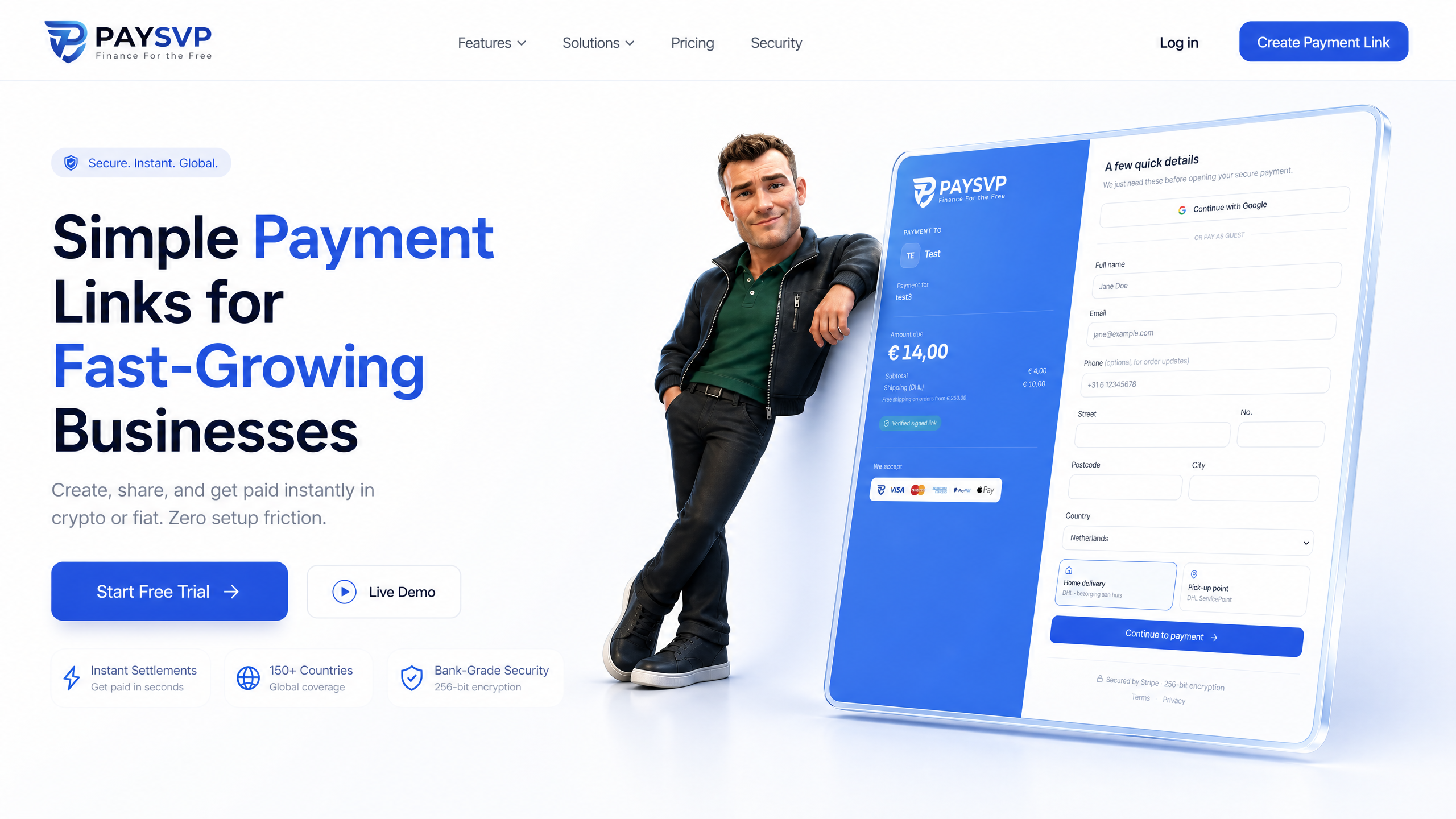
Stripe Banking my favorite fintech company is a phrase you hear when merchants talk about modern money tools that actually feel built for the internet. But a smart business stack is not just about loving one brand. It is about getting paid fast, keeping cash clean, and avoiding banking drama.
If you sell services, digital products, tickets, coaching, invoices, or B2B offers, your bank account and your payment flow must work together. Here is the bold review: the best fintech setup is not the prettiest app. It is the one that gets money from customer to business with the least friction.
Stripe Banking my favorite fintech company: short review
The quick verdict
Stripe is one of the strongest fintech companies for online merchants because it focuses on the thing that matters most: payment infrastructure. Cards, iDEAL, Bancontact, Apple Pay, subscriptions, checkout, invoices, developer tools, reporting, and integrations all live close to the payment moment.
That is powerful.
But Stripe is not automatically your full business bank account replacement everywhere. Depending on your country and setup, you may still need a dedicated business bank account for operations, taxes, salaries, savings, supplier payments, and bookkeeping.
So the honest short review is this:
- Best for: accepting online payments and building a modern payment flow.
- Great for: merchants who sell online and want low-friction checkout.
- Not always enough for: companies that need full traditional banking features.
- Worst use case: expecting one fintech account to solve every financial workflow.
Stripe is a sharp engine. Your business bank account is the garage. PaySVP is the fast lane between your offer and the payment.
Takeaway: Do not choose fintech tools because they sound cool. Choose them because they reduce the distance between “I want to buy” and “paid.”
What makes a business bank account actually good
The best business bank accounts are boring in the right places
A great business bank account should be stable, clear, and easy to reconcile. It does not need fireworks. It needs to help you run a company without creating admin mess.
Look for practical basics:
- Clear account ownership and business details.
- Easy transfers to suppliers and contractors.
- Clean exports for bookkeeping.
- Support for tax payments and reserves.
- Multiple users or team access where needed.
- Simple card management.
- Good customer support when something breaks.
The best accounts make money movement visible. You should know what came in, what went out, and what belongs to tax, profit, operations, or payroll.
The worst business bank accounts slow everything down
Bad bank accounts are expensive in hidden ways. Not always because of listed fees, but because they waste attention.
Red flags include:
- Slow onboarding with unclear requirements.
- Confusing transaction descriptions.
- Weak integrations with accounting tools.
- Painful support loops.
- Limited payment options for customers.
- No simple way to separate incoming revenue from operating cash.
A poor banking setup turns every payment into a small investigation. That is not finance. That is friction.
Where Stripe fits
Stripe is strongest at the customer payment layer. Your customer wants to pay by iDEAL, card, Bancontact, Apple Pay, or another familiar method. Stripe handles that payment experience extremely well.
Your business bank account then receives payouts and supports the rest of your company workflow.
That split is healthy. Let payment tools do payments. Let banking tools do banking. Let PaySVP make the payment link easy enough to send anywhere.
The best and worst options for merchants
Best: a modern bank account plus Stripe-powered payment links
For many merchants, the best setup is simple:
- A reliable business bank account for company operations.
- Stripe for payment processing.
- PaySVP for dynamic payment links.
- Accounting software for reconciliation.
With PaySVP, you can create links like paysvp.com/shop/product/price and let customers pay instantly. No heavy webshop. No custom checkout project. No waiting for bank transfers.
That is the kind of stack we like: lean, fast, and built for action.
If you want to see the flow, read how it works or check our guide on how to charge customers online without the checkout drama.
Good: fintech business accounts with clean UX
Some fintech business accounts offer a strong interface, fast setup, useful cards, and good bookkeeping exports. These can be excellent for freelancers, agencies, creators, consultants, and small teams.
The key is not the logo. The key is fit.
Ask:
- Can I receive payouts from Stripe smoothly?
- Can I export transactions cleanly?
- Can my accountant work with this?
- Can I separate taxes and operating money?
- Can I reach support if my account is locked or reviewed?
For a related merchant-focused review, see our GoDUTCH Business Bankaccount review.
Worst: using manual bank transfers as your checkout
Manual transfers still have a place. But as your main checkout? Brutal.
Customers forget. They mistype references. They ask for IBAN details again. You chase payment. You match bank lines. You lose momentum.
That is the worst payment experience for impulse, speed, and conversion.
If the customer is ready to pay, give them a link. Let them use a trusted method. Confirm the payment. Move on.
Worst: choosing tools only because of affiliate hype
This article may include affiliate links later. That is fine, but affiliate links should never make the decision for you.
Be bold. Test the product. Read the terms. Ask your accountant. Check what happens when volume grows. A tool that looks cheap on day one can become costly if it creates manual work every week.
Worked example: from invoice pain to instant payment
A simple merchant scenario
Imagine a Dutch design consultant sells a fixed project for €2,500.
Old flow:
- Send PDF invoice by email.
- Customer says they will pay “this week.”
- Merchant checks bank account daily.
- Payment arrives later.
- Merchant manually matches the payment.
- Follow-up email is needed if the reference is missing.
Nothing illegal. Nothing dramatic. Just slow.
Now compare a PaySVP-style flow:
- Merchant creates a payment link for €2,500.
- Customer opens the link on mobile.
- Customer pays with iDEAL, card, Bancontact, or Apple Pay.
- Stripe processes the payment.
- Merchant sees a clear payment event.
- Payout goes to the connected business account according to the normal Stripe setup.
The price is the same. The work feels different.
The numbers that matter
Let us say the consultant sends 10 invoices per month at €2,500 each. That is €25,000 in monthly billed revenue.
If every invoice requires two follow-ups, that is 20 follow-up messages every month. If each follow-up and reconciliation check takes only 10 minutes, that is more than 3 hours of admin time.
Three hours is not just time. It is sales calls, client work, product building, or rest.
Now add customer experience. A payment link lets the buyer complete the job when intent is highest. No searching for bank details. No copying references. No “I will do it later.”
That is the real fintech win.
FAQ
Is Stripe a business bank account?
Stripe is best known as a payment processing platform. In some markets it offers additional financial products, but merchants should not assume it replaces a full business bank account. Always check what is available in your country and what your company legally needs.
What is the best business bank account for online merchants?
The best account is the one that fits your workflow. Look for clear payouts, strong bookkeeping exports, good support, and compatibility with Stripe. For many merchants, the winning setup is a solid business bank account plus Stripe payments plus PaySVP links.
Can I use PaySVP without a webshop?
Yes. That is the point. PaySVP helps you create dynamic payment links so customers can pay instantly without a full webshop build. It is ideal for services, custom offers, invoices, events, digital products, and fast one-off sales.
Conclusion
Stripe Banking my favorite fintech company is a catchy keyword, but the smarter conclusion is bigger: Stripe is excellent payment infrastructure, your business bank account should be reliable money control, and PaySVP connects the sale to the payment with speed.
Do not let banking friction steal your momentum. Give customers a clean payment link, let them pay with familiar methods, and keep your business moving.
Ready to turn offers into paid orders? Get started with PaySVP and build a faster payment flow today. Finance for the Free.
Related reading
Newsletter
Get new articles & PaySVP updates
Practical tips on getting paid faster, straight to your inbox. No spam — unsubscribe any time.
Get paid the easy way
Send a link. Get paid.
Create a PaySVP payment link in seconds and let customers pay with iDEAL, cards, Bancontact or Apple Pay.
Create a payment linkKeep reading
Payments
WISE International Made Easy: Business Account Review
A real , down to earth, plain-English review of Wise Business for international payments, plus where PaySVP fits for WISE instant customer checkout.
ReadPayments
Mastercard Payments Made Simple with Pay Links
Accept Mastercard online without building a checkout. See how dynamic PaySVP payment links help merchants get paid faster via Stripe.
ReadPayments
GoDUTCH Business Bankaccount: Bold Review for Merchants
A bold merchant-focused review of GoDUTCH and how to choose a business bank account that actually supports modern payments.
Read